Everything happens for a reason. Have you ever heard someone say this? Maybe you’ve said it. I know I have. The idea that every little thing that happens to us has a purpose is ingrained in our culture- it’s in our music, in our literature, and embedded in our lexicon. Humans feel the need to assign a higher purpose to the big events in our lives, and that’s normal. It takes some of the pressure off if we think that the outcomes of our actions aren’t entirely in our hands. But some things defy explanation, and we have to learn to be okay with that.
Saying that there’s a reason for pregnancy, infant, or child loss- trying to assign blame or to put a positive spin on loss like this- doesn’t feel good to loss parents because
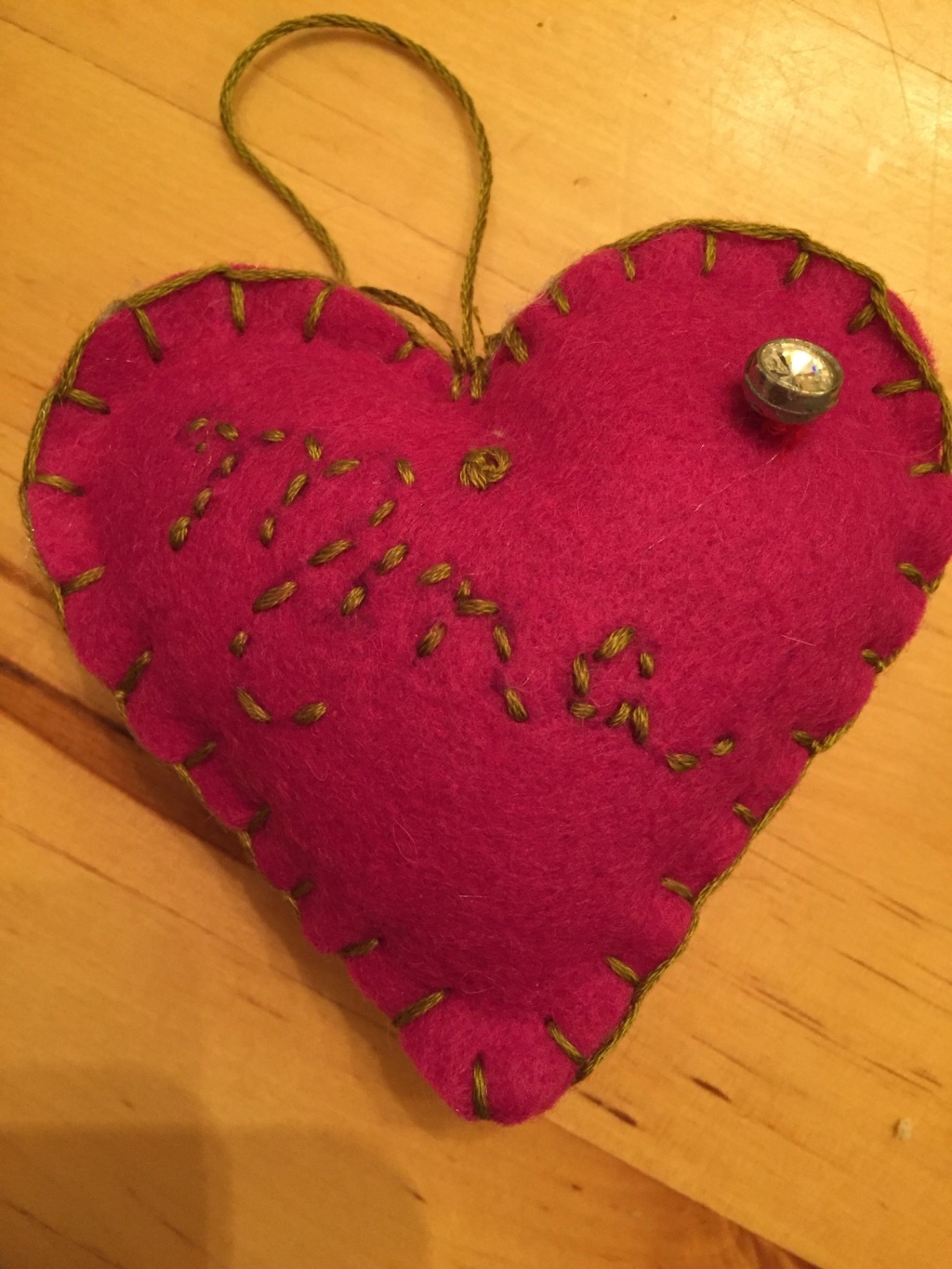
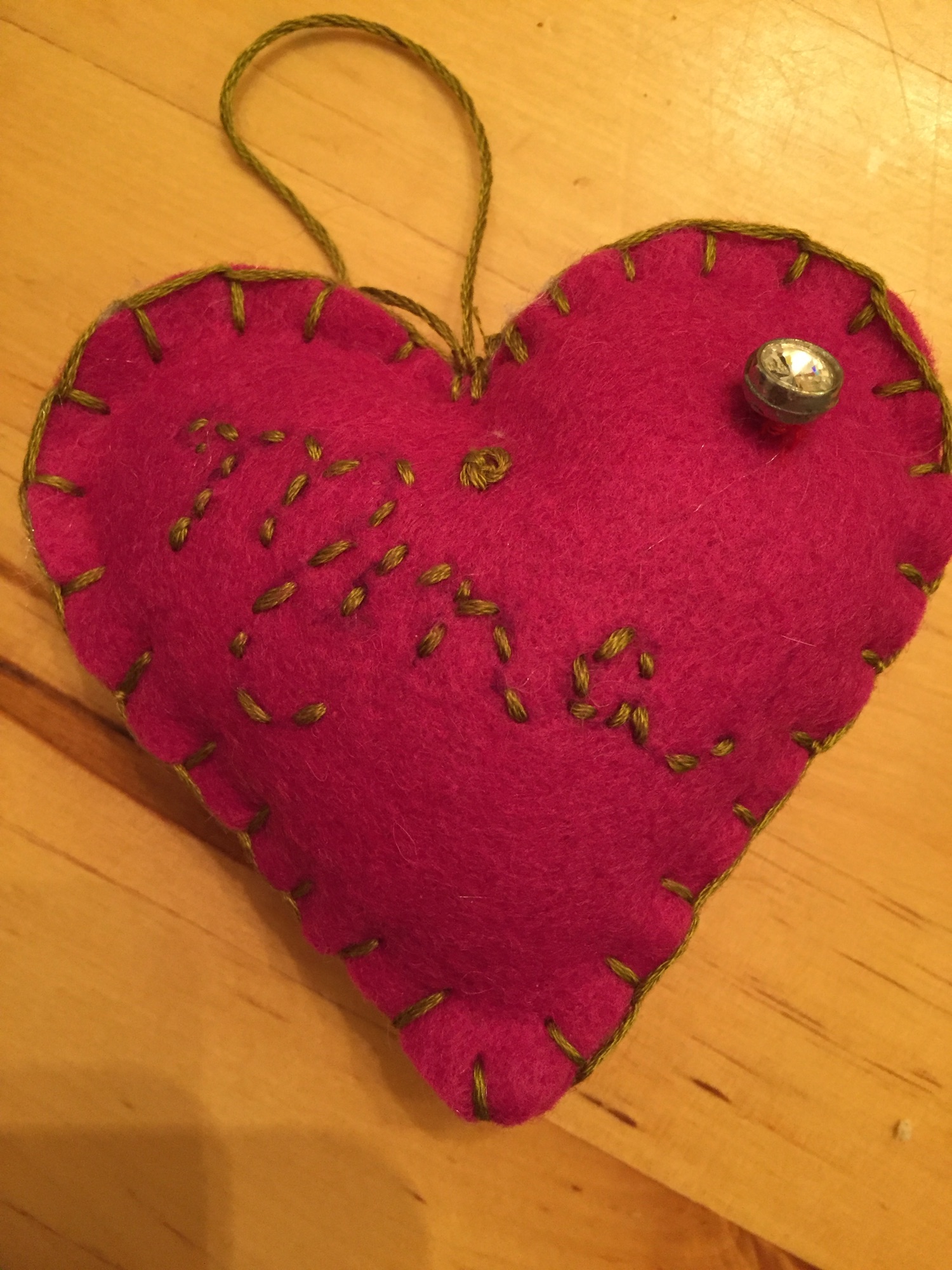
- We struggle with guilt as it is. And saying that there must be a reason for our losses sends us further into the guilt spiral because it assumes responsibility for our pain, and assigns that responsibility to us. When Mina died, we didn’t know what had killed her- just that she had a neuroblastoma that enlarged her liver and made everything more complicated. We found out months later, via autopsy, that she had stage 4 adrenal cancer. That news weighed heavy on me, because I felt like I had done something to cause her illness. And though I was assured by Mina’s doctors that her cancer was a fluke and “just bad luck”, the feeling lingered. When well-meaning friends and family assured me that everything happened for a reason, it felt like the reason was me; like I had somehow made Mina sick.
- It breeds toxic positivity. Toxic positivity is the idea that no matter how bad things get, you need to keep a positive mindset. It’s the belief that smiling through pain makes the pain better, and maybe even gets rid of it entirely. But not every cloud has to have a silver lining, and we don’t need to spin every aspect of our lives. Sometimes awful things happen, and we can only endure them. When we’re fighting against a tidal wave of grief, putting on a brave face and finding the positive seems like an impossible task.
Alongside toxic positivity is a theory called the Just World Hypothesis . It was developed by Melvin Lerner in 1965 and quickly took root in the world of psychology (the 60s were a big time for psychology). The Just World Hypothesis posits that if you’re good, good things will happen to you. Lerner’s conclusion was this: when you can’t help someone who’s suffering, you tend to assign blame to them, assuming that they deserve the bad things happening to them.
Lerner’s Just World Hypothesis led to the Just-World Scale developed by Zick Rubin and Lititia Anne Peplau. Respondents are asked about twenty questions to determine how fully they believe in the Just World Hypothesis. Here’s another version of the scale. While neither quiz provides a key to interpret results, both are helpful in examining your own beliefs, and I recommend taking both.
Lots of people much smarter than me have written about how not everything happens for a reason. John Pavlovitz wrote a really great article about this topic, and you can find it here. Here’s a post from The Bleeding Pelican that addresses the religious aspect of this phrase. And here’s an article by Thomas Koulopoulos that focuses more on personal success and failure.
You may be thinking, “well that’s great Sara, but what the hell do I say instead?”. I’m so glad you asked! Here’s a list of things you can say to someone who’s grieving instead of telling them that everything happens for a reason:
- I’m so sorry this happened to you.
- This isn’t fair, and you have every right to feel the way you do.
- I’m here to listen.
- It’s ok to feel angry/sad/shocked/depressed.
- I want to support you the best that I can. What can I do to help you right now? (only say this if you really mean it)
- I love you, and I’m here for you.

 Missing Mina
Leave a comment